Stripe's Machine Payments Protocol on MultiversX
MultiversX Integrates Stripe's Machine Payments Protocol into the Universal Agentic Commerce Stack
Agents paying through Stripe can now settle on MultiversX.
Last week, Stripe and Tempo launched the Machine Payments Protocol. MPP is an open standard for machine-to-machine payments, proposed to the IETF and designed to let agents pay for services in the same HTTP request. Over 100 services adopted it at launch, including Anthropic, OpenAI, Shopify, Alchemy, and Dune Analytics. Visa, Lightspark, and Cloudflare have extended it to their networks.
Starting today, MultiversX supports MPP — not as a thin wrapper, but with native onchain infrastructure built for it.
What MPP Does
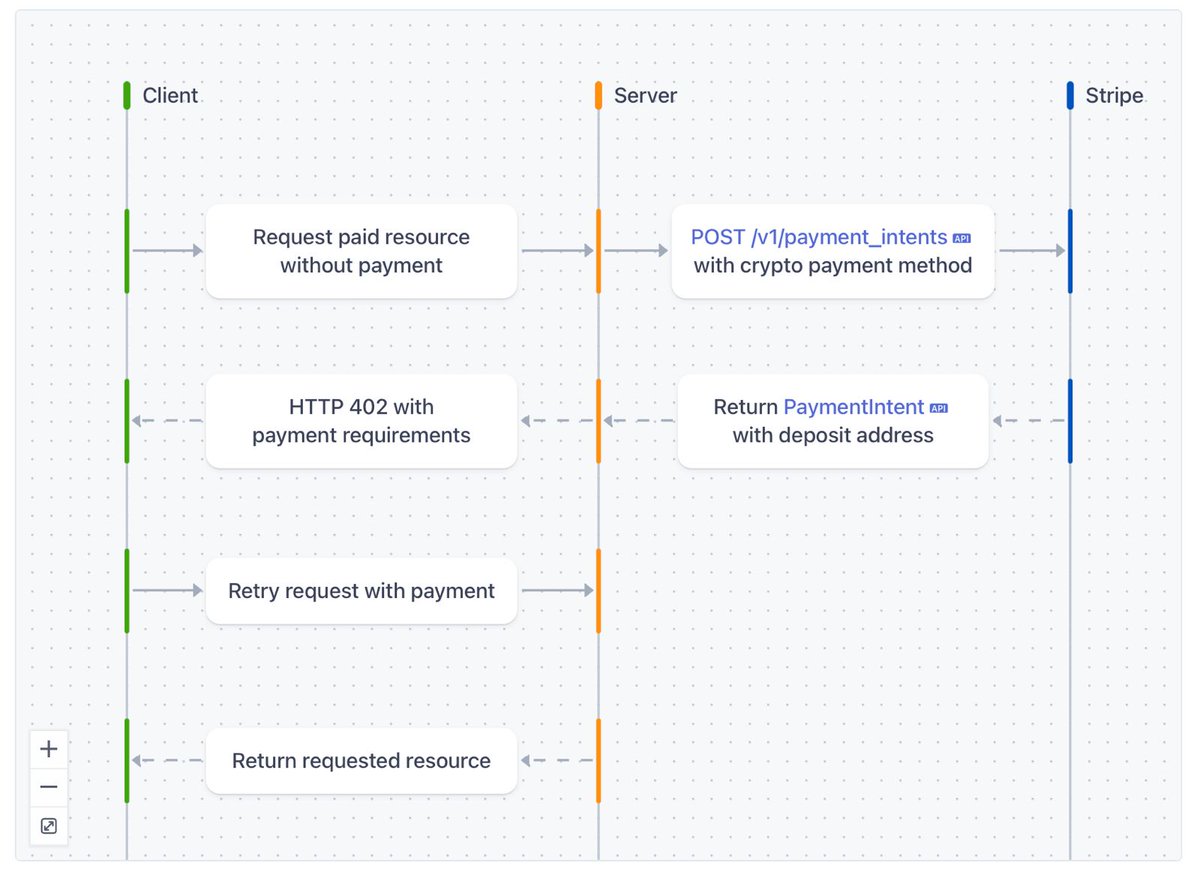
MPP standardizes HTTP 402 for programmatic payments. An agent requests a resource. The server responds with a payment challenge. The agent fulfills the challenge and retries with a credential. The server verifies payment and delivers the resource with a receipt. One round trip. No checkout flows. No API key management.
The protocol is rail-agnostic. A single endpoint can accept stablecoins, credit cards, buy-now-pay-later, or Bitcoin over Lightning. MPP is backwards-compatible with x402, which MultiversX already supports, but extends the model with multi-method negotiation, streaming sessions, and a formal IETF specification.
What We Built
The integration covers the full MPP payment lifecycle at three levels of complexity.
For simple one-shot payments, agents tag a standard EGLD or ESDT transfer with mpp:<challenge_id> in the transaction data field. The facilitator verifies the receiver, amount, token, and tag against the original challenge. No smart contract interaction required.
For high-frequency micropayments, a dedicated onchain escrow contract implements MPP sessions as state channels. An agent locks tokens in escrow, then streams off-chain Ed25519 signed vouchers authorizing incremental payments. The receiver settles the cumulative total onchain when ready. The sender reclaims unspent funds on close. Vouchers use domain-separated payloads and deterministic channel IDs to prevent cross-network replay. No individual microtransaction touches the chain until settlement.
For agents without native EGLD, the facilitator supports Relayed V3 gasless execution. The agent signs the payment. The facilitator wraps and broadcasts it, covering gas costs.
All of this is exposed through the MultiversX MCP server as structured tools. Agents running on Claude, Gemini, or any MCP-compatible surface can discover MPP payment capabilities, open sessions, stream vouchers, and settle using the same interface they already use for every other onchain operation on MultiversX.
The Universal Agentic Commerce Stack
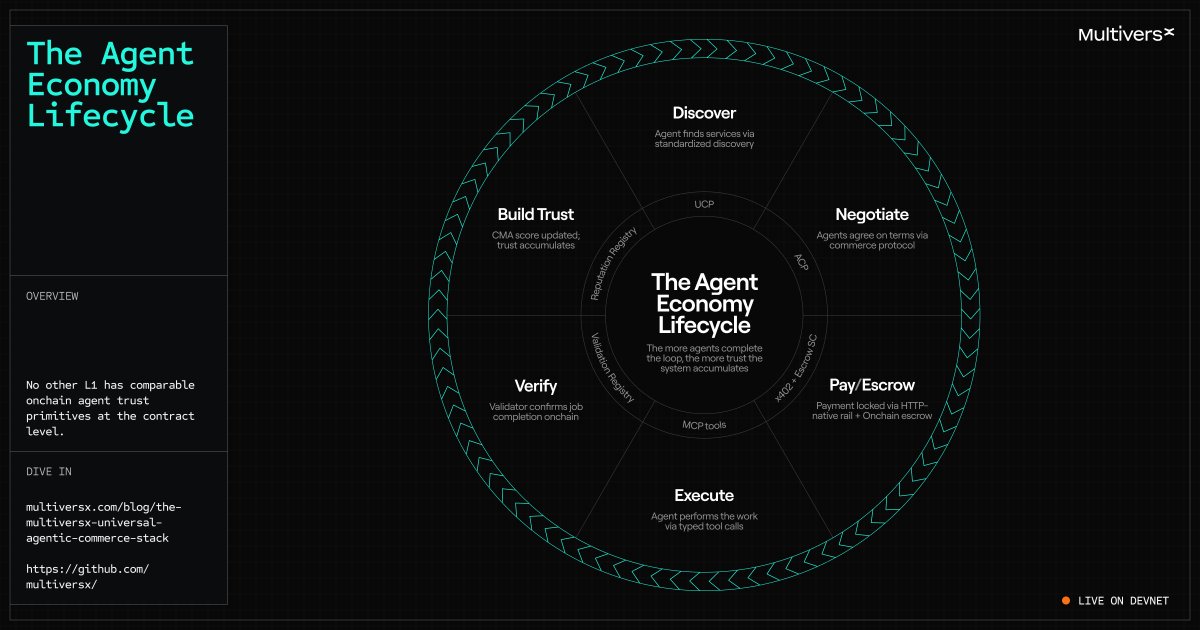
Agent commerce requires more than a payment rail. It requires coordinated infrastructure across discovery, authorization, execution, and settlement. Over the past two months, MultiversX has shipped integrations with every major protocol emerging in this space. Together, they form the Universal Agentic Commerce Stack.
UCP handles discovery and the full commerce lifecycle across Google surfaces. ACP standardizes programmatic checkout and transaction execution. AP2 provides cryptographic authorization and delegated intent through verifiable mandates. MCP gives agents structured, typed access to onchain state and execution. x402 introduced HTTP-native payment settlement for machine-to-machine transactions.
MPP extends this stack with the layer that was missing: high-frequency payment negotiation backed by Stripe's merchant infrastructure. Where x402 handles single payments, MPP adds session-based streaming, multi-method negotiation, and access to every service in the MPP directory. Where ACP and AP2 define what agents are authorized to do, MPP defines how they pay for it at machine speed.
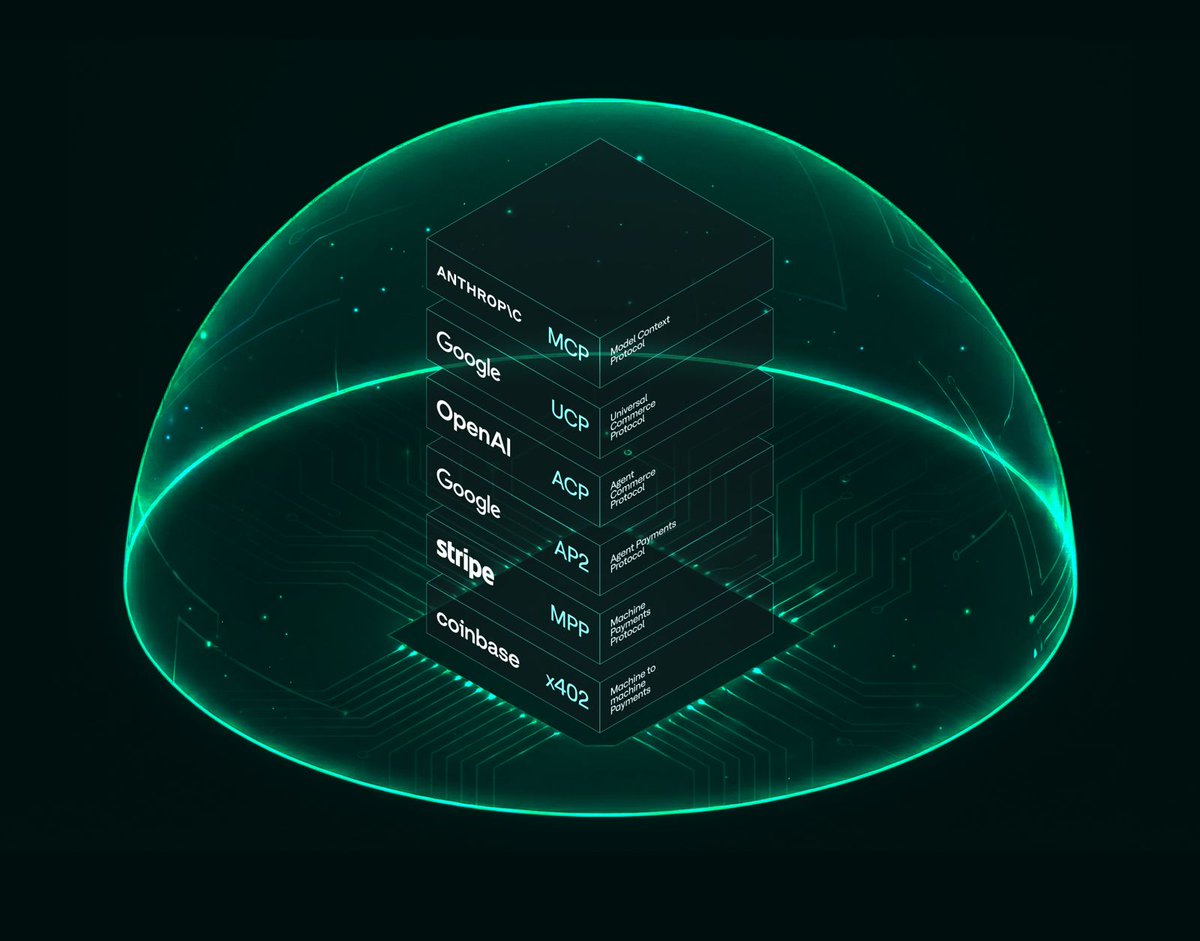
No single protocol covers the full agent commerce lifecycle. That is the point. Each layer is purpose-built for a specific function. MultiversX has implemented all of them at the base layer, as a single coherent system.
Stripe built the payment rails for the internet. Now, they are connected to MultiversX.
The code is open source and available here:
- MPP SDK: github.com/sasurobert/mppx-multiversx
- MPP Facilitator: github.com/sasurobert/mpp-facilitator-mvx
- MPP Session Contract: github.com/sasurobert/mpp-session-mvx
- Technical Spec: github.com/sasurobert/mx8004-specs

Beniamin Mincu, Co-founder of MultiversX, is a distinguished tech visionary and one of Europe’s early blockchain pioneers.